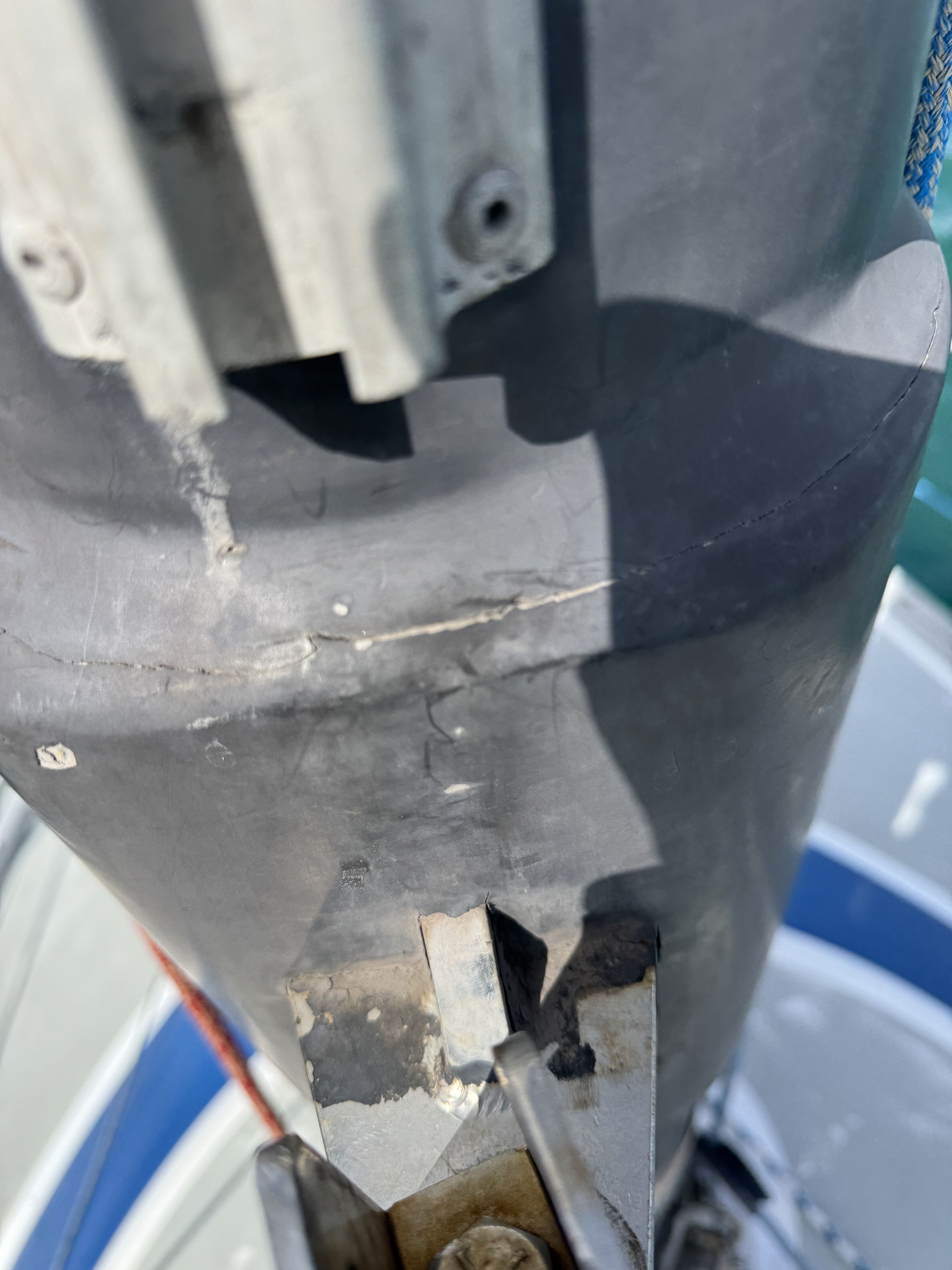
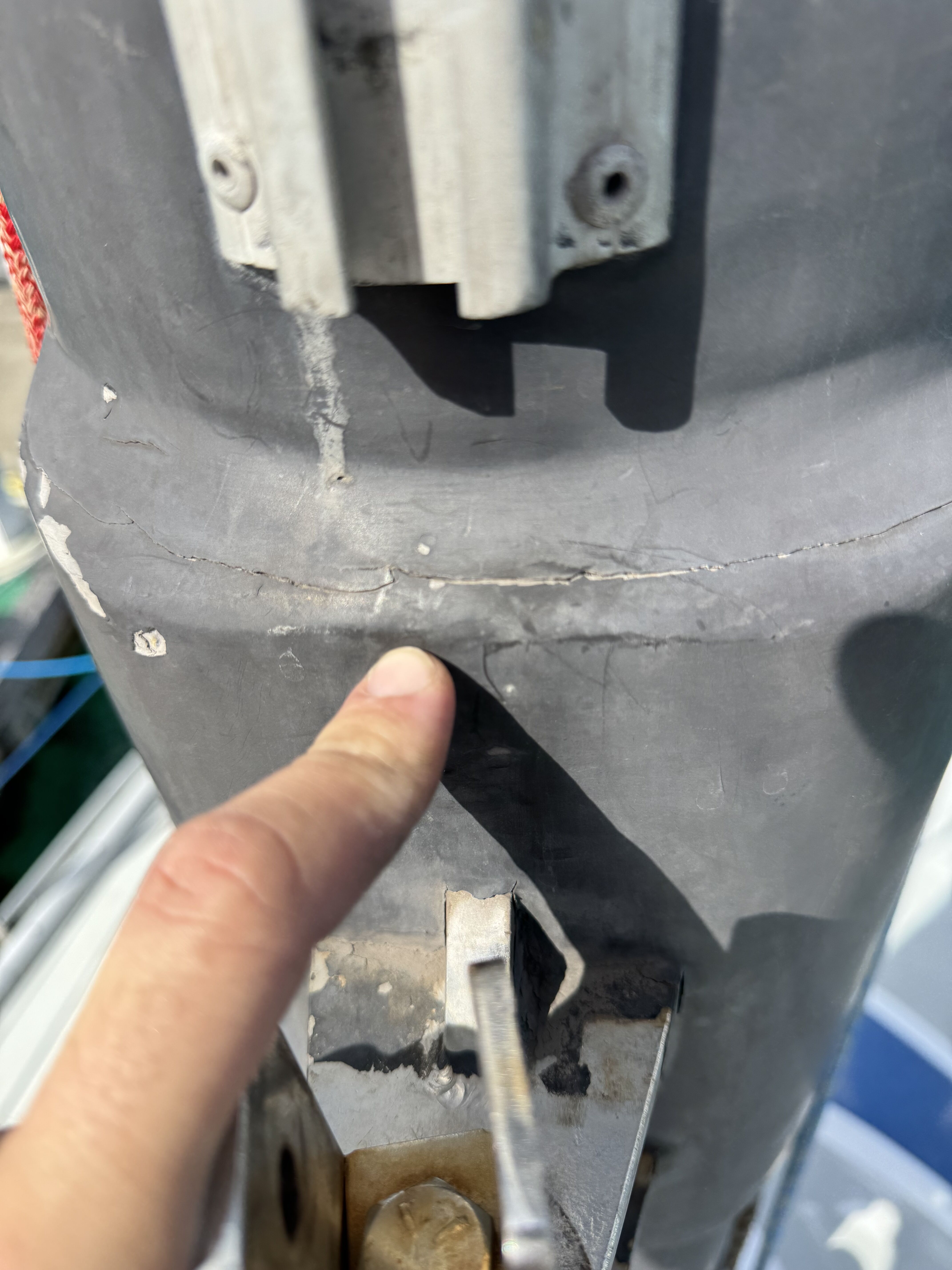
Hi All - in removing my sail to get some work done to it I discovered some horizontal cracks on the mast just above the gooseneck
I haven’t noticed these before but in saying that this part of the mast is either always covered by the sail when it’s down, or I’m in the cockpit sailing the boat.
It does seem superficial but I’m scared of peeling it down a little in case I make it worse. What are people’s thoughts? How deep do I investigate?
Hello
This may not be a big problem.
It could be that only the plaster is cracked.
You’ll have to sand it down first to see how the laminate is doing.
Hi JL,
Those are superficial cracks in the caulking in and on the corners. They are non-structural. You can grind those out if you want and recaulk.
There is a known issue with circumferential cracking in the TPI masts that has been addressed before. I wrote a repair rocedure on how to identify and fix them which you can find in the documents section of this forum. I’ll upload another copy for you here.
FREEDOM YACHT MAST REPAIR.pdf (1.3 MB)
Cheers, Eric
1 Like
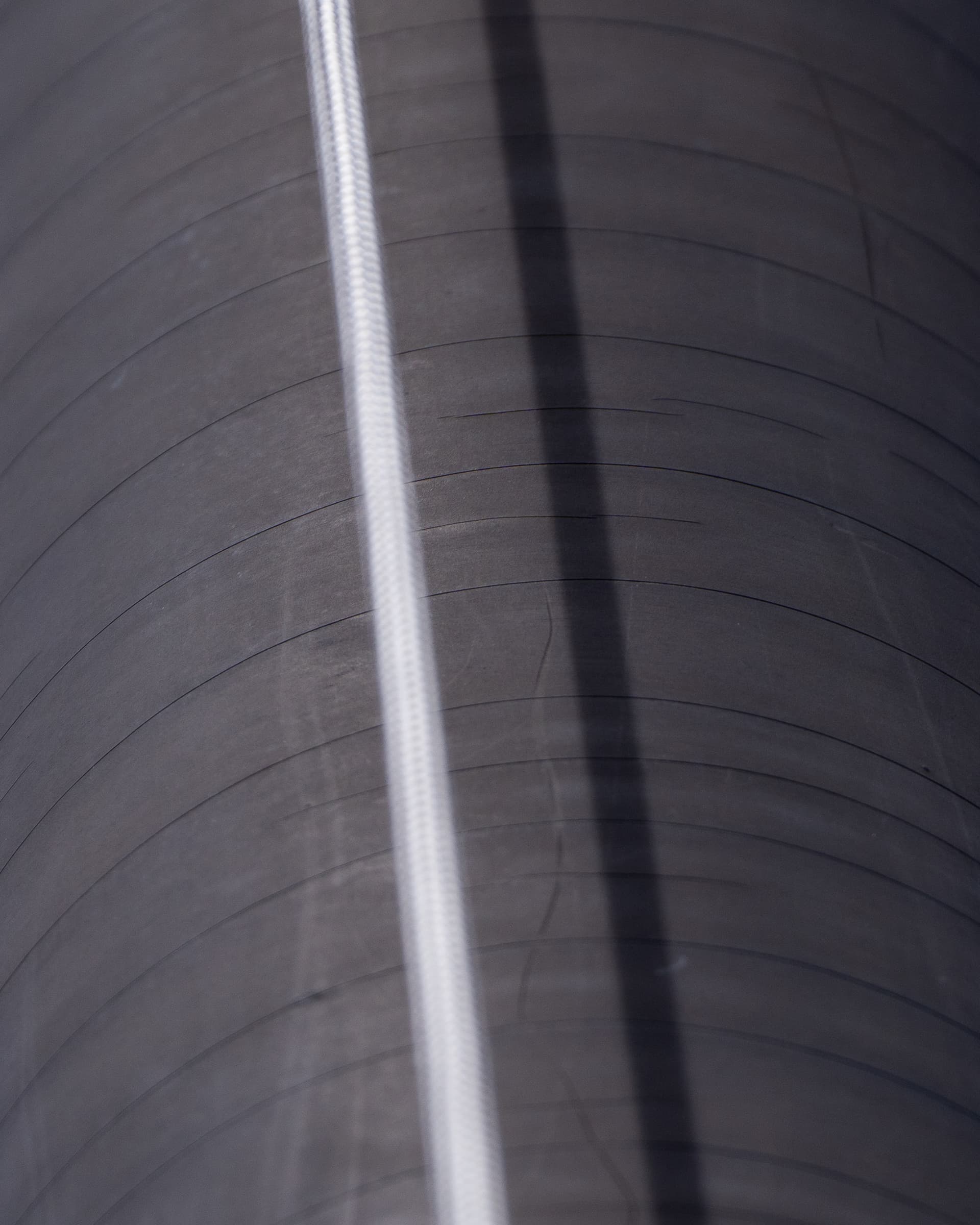
Hi all, I am jumping in on this thread as a new member, as I figure it is often discussed. I am a hair trigger away from making an offer on an F28 CK. All looks good, but my lack of experience with a carbon fiber rig has me questioning all the rings and cracks that run up the masts finish.
Cany anyone weigh in with their thoughts of “expected” vs. “abnormal” on this one? My largest concern is knowing that this boat likely weathered Hurricane Milton while docked, but those winds were viscious and that fatigue may take some time to reveal itself.
Thanks in advance, I really hope to be joining the crew soon.
Much obliged!
Jason
Hi
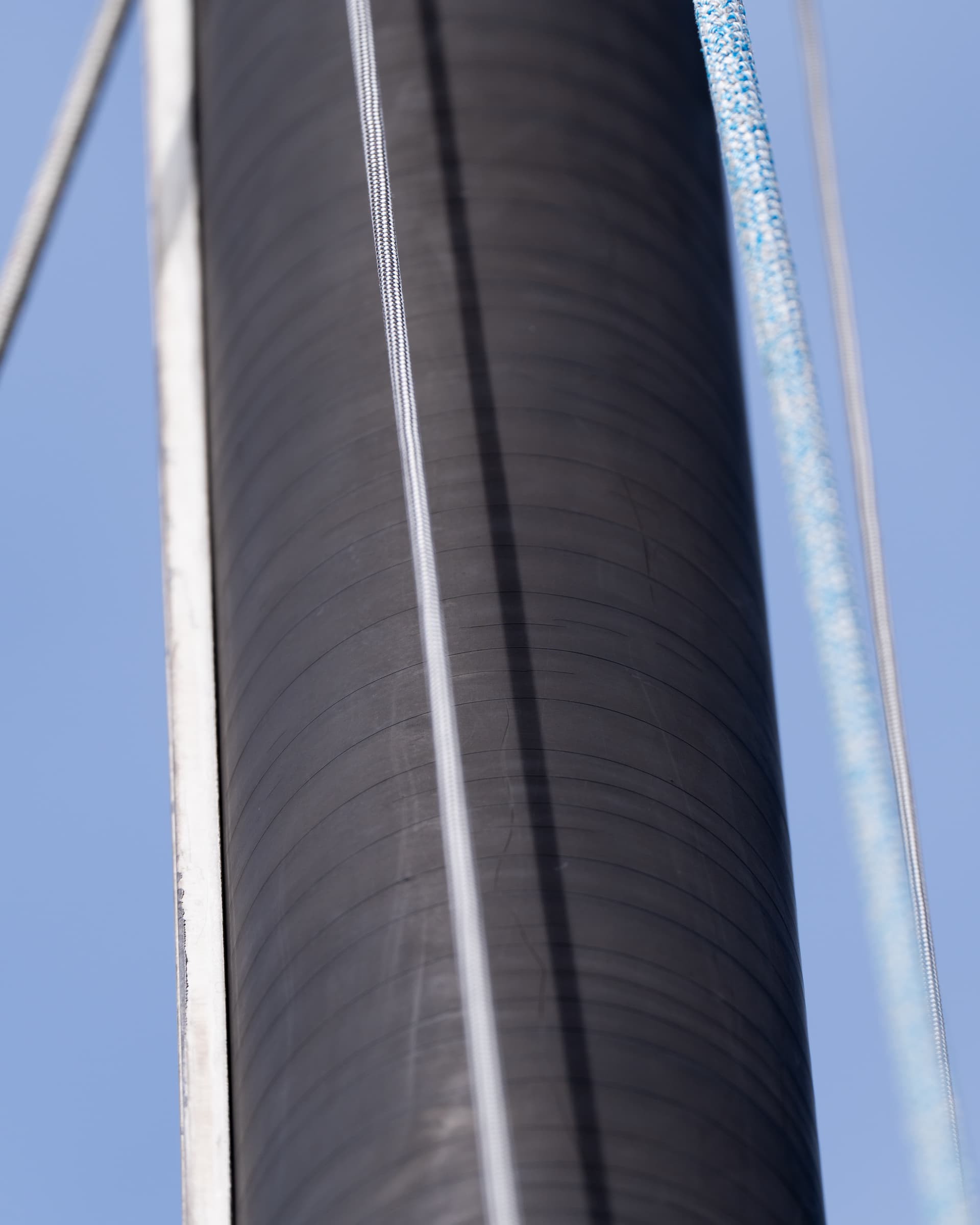
All first-generation Freedom masts have surface cracks like this.
Nothing to worry about.
The unidirectional carbon fibers are covered on both sides with strips of glass wound perpendicularly. These strips move a little, causing the gelcoat to crack, but the structure of the mast is in no way affected.
The ideal is to grind/sand the gelcoat, then apply a light glass roving and re-coat.
But you can do without it.
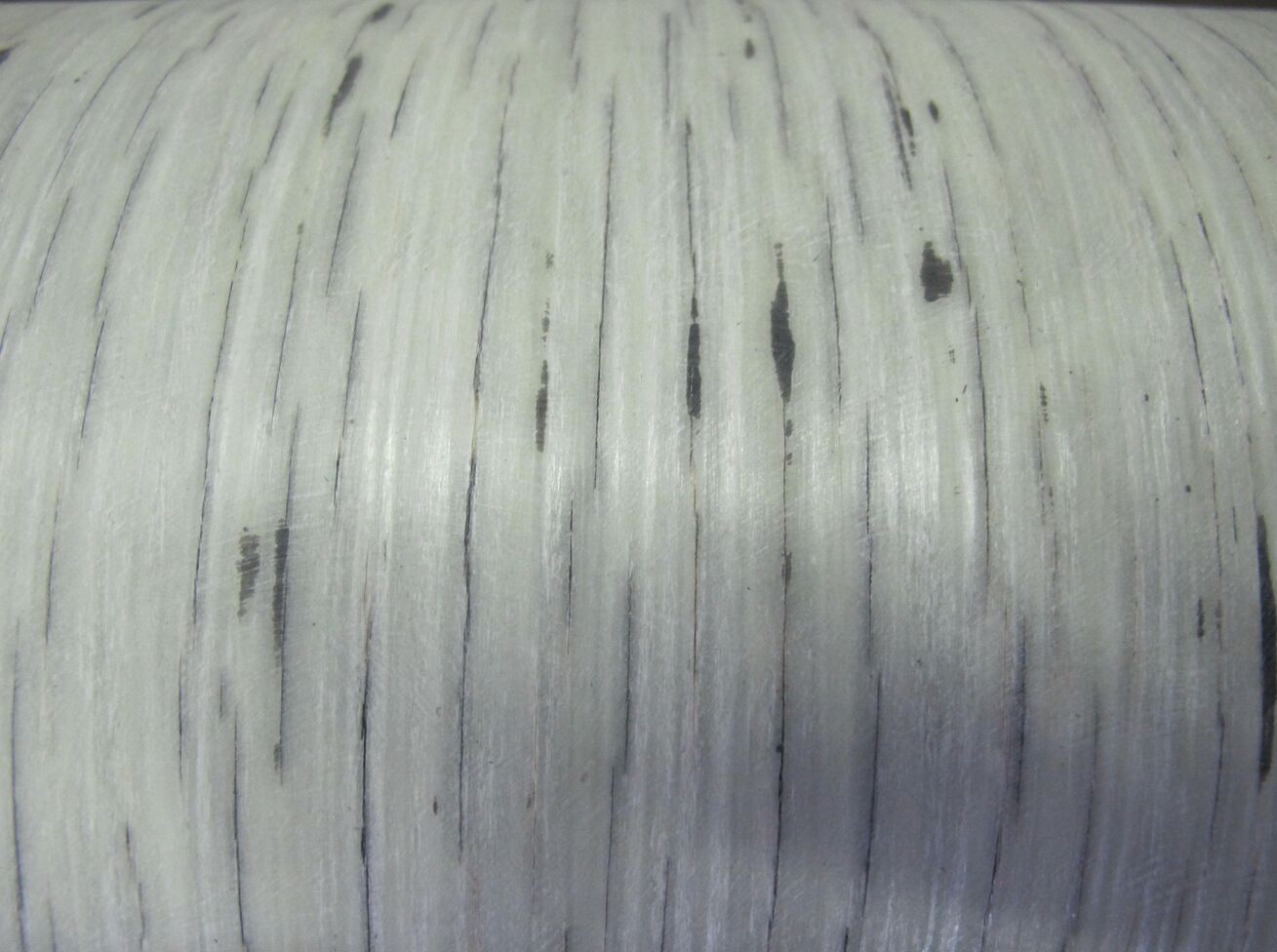
2 Likes
Jason, Look at the answer directly before your first entry. I attached a file called FREEDOM YACHT MAST REPAIR.PDF which you can download. That attachment tells you everything you need to know about the circumerential mast cracking on TPI carbon fber masts and how to repair it. Good luck, Eric Sponberg
2 Likes
Thanks Lorenzo, I appreciate the reply and the included picture. Looks like you had yours stripped down and being prepped for the repair as noted by Eric in his reply below.
Hopefully it can become a concern/not concern in the near future, but there appears to be a bit of emotional value in the price of the boat for now.
Thanks Eric, I appreciate it. I’ll give it a read and set it aside in case can become a one day project.
Hi, I’m also a new member, I created an account for the sole purpose of posting on this thread. As you can see in the pictures below, my carbon fiber mast has many cracks, and some are deeper than just the paint. My questions are as follows :
- I thought the mast was a single carbon fiber part molded all at the same time, but a friend told me the bulge on the mast might be an add-on to strenghten the mast at the boom, implying that there would be a underlying core, can anyone confirm or deny this?
- The cracks look serious to me, but do you think this warrants an inspection? If it does, I see no other option than to contact am aircraft repairing company to rent an ultrasound device to understand exactly whats going on inside, does anyone have a better idea?
Btw my boat is a Freedom 30 dating from 1986.
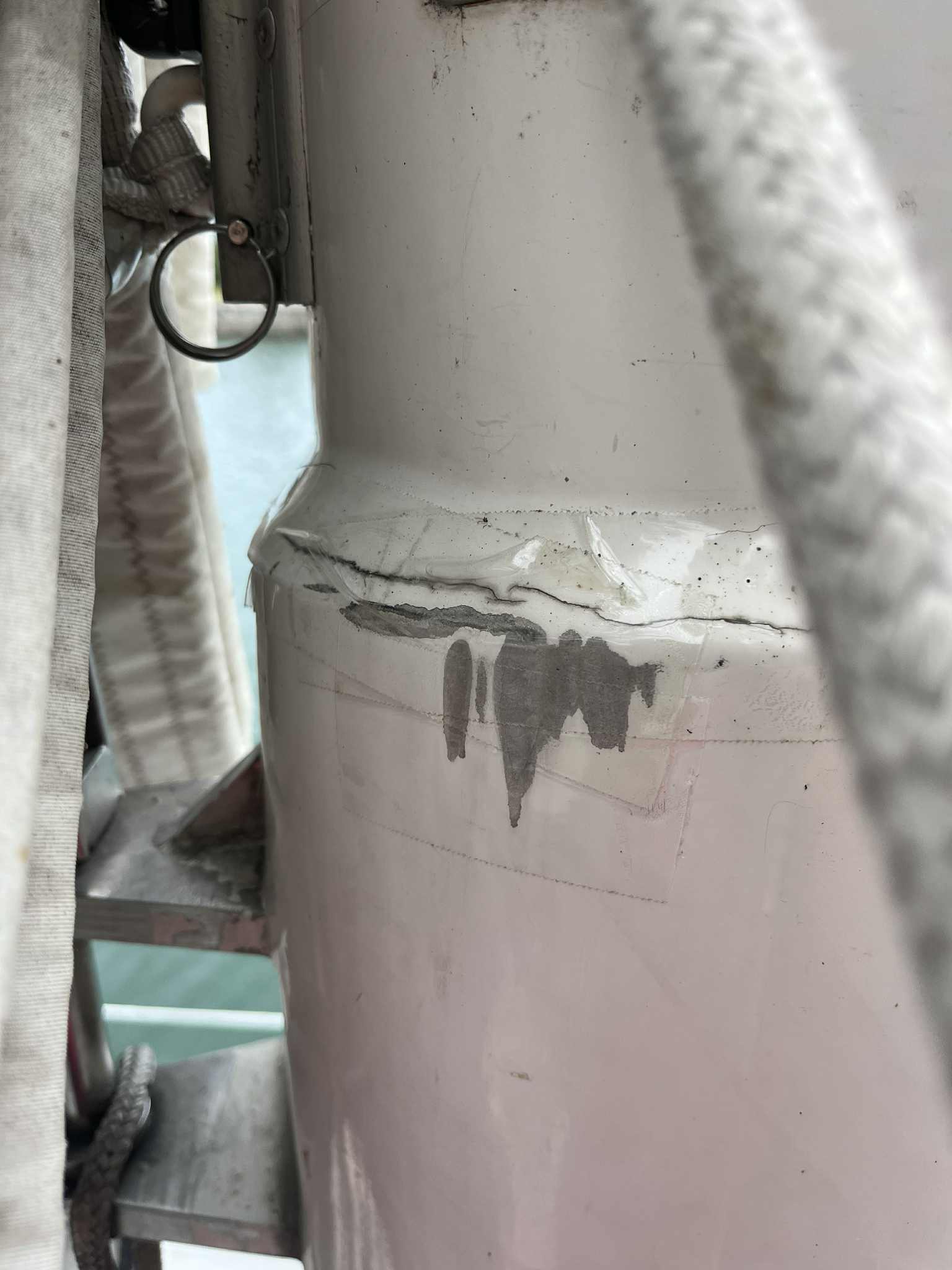
Thanks in advance!
The bulge was part of the original layup, it’s there to provide additional strength at the gooseneck.
Search the forum, there is at least one other post about circumferential mast cracks. I don’t remember whether or not they’re a big deal, but I think they’re superficial. Eric Sponberg weighed in, and I believe he put together a PDF on how to remediate mast cracks.
There is no need to worry. This type of crack is bound to happen sooner or later. To switch from the original rigging to a Bermuda rig, with the mainsail sent via sliders, you need to add a gooseneck, which requires reinforcement on the mast. In most cases, this reinforcement is a stainless steel tube to which the gooseneck is attached. For your Freedom, the person who carried out the conversion added filler to make the joint more aesthetically pleasing. This filler was bound to crack because stainless steel and the mast’s laminate do not behave in the same way.
Thank you very much Lorenzo and RadioZephyr, you’ve been great help!
If your Freedom 30 is a Mull-designed Freedom 30, you can disregard what Lorenzo said. That mast was built with a gooseneck and sail track at the factory, it was not “converted.”
If it’s some UK-built Freedom 30, all bets are off and I have no idea. But I’m pretty sure it’s a Mull.
What material is the reinforcement that supports the gooseneck on the Freedom Mull made of ?
It could be a stainless steel tube covered with laminate. My previous comment still applies, even if it was done by a shipyard.
It’s not steel. It’s just additional wraps of carbon fiber and fiberglass, same as the rest of the mast.
With carbon reinforcement, the result is the same in my opinion. You create a “hard spot” in a limited area. The reinforced part moves very little, while the rest is more flexible. It works at the point of separation. As a precaution, it would be worth sanding down the cracked area to check.
That’s how every US-built Freedom mast (with a standard boom) was designed and made, thousands of them, without any such issues.
If it was my boat, I’d stick with what Sponberg says to do, as he designed/oversaw the production of the mast.
For conversions from wishbones to booms, I noticed that there were variations in the types of reinforcement on the mast.
Freedom boats built in England are also affected, as they are equipped with masts manufactured in the United States. I was able to verify this myself, when I was given a section of a Freedom35 mast (an extraordinary stroke of luck) to repair the foremast of my F33.
The Freedom 30 never came with wishbone booms.