Long time lurker and hopefully soon to be Freedom owner here. My partner and I are currently on an Oyster Mariner 35 Ketch based in the Mediterranean.
We’ve had a good inspection of a Freedom 47 Schooner in the UK, I believe it’s a one-off. Has a very odd layout, but it’s growing on us, and we are generally in pursuit of a longer waterline for a bit more speed, seakindlyness and of course extra space onboard and ondeck when compared to our 35 footer. In particular the machinery space under the deck saloon / pilothouse is vast, and well suited to our future plans for the propulsion layout and systems. In general we are happy with the condition of the vessel, we know she needs a lot of work particularly on her electrical and mechanical systems, engine, sails, stack packs etc. All of that is well within our capabilities, having done a complete refit on the old Oyster ketch. But the masts are a bit of a knowledge gap for us.
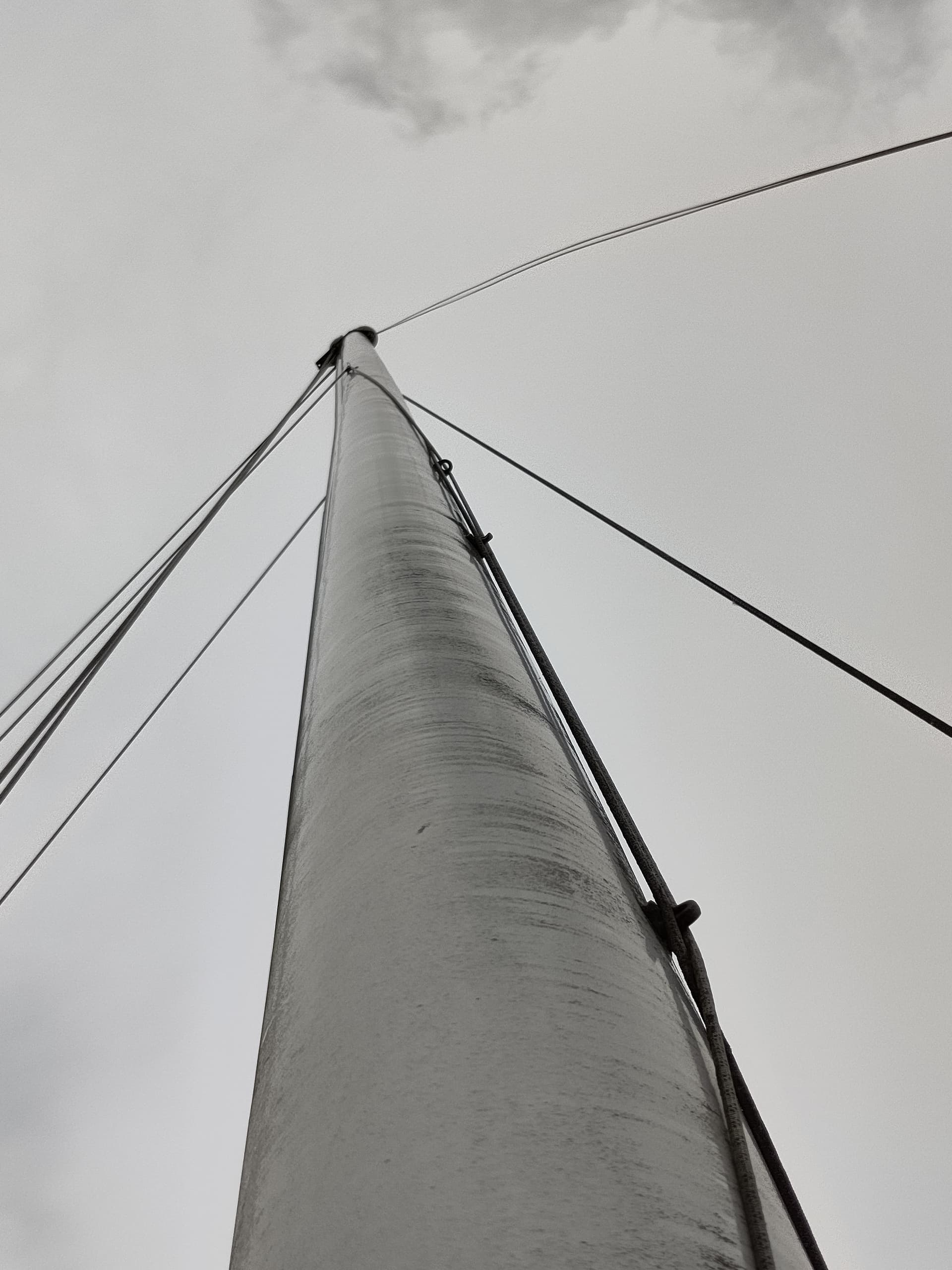
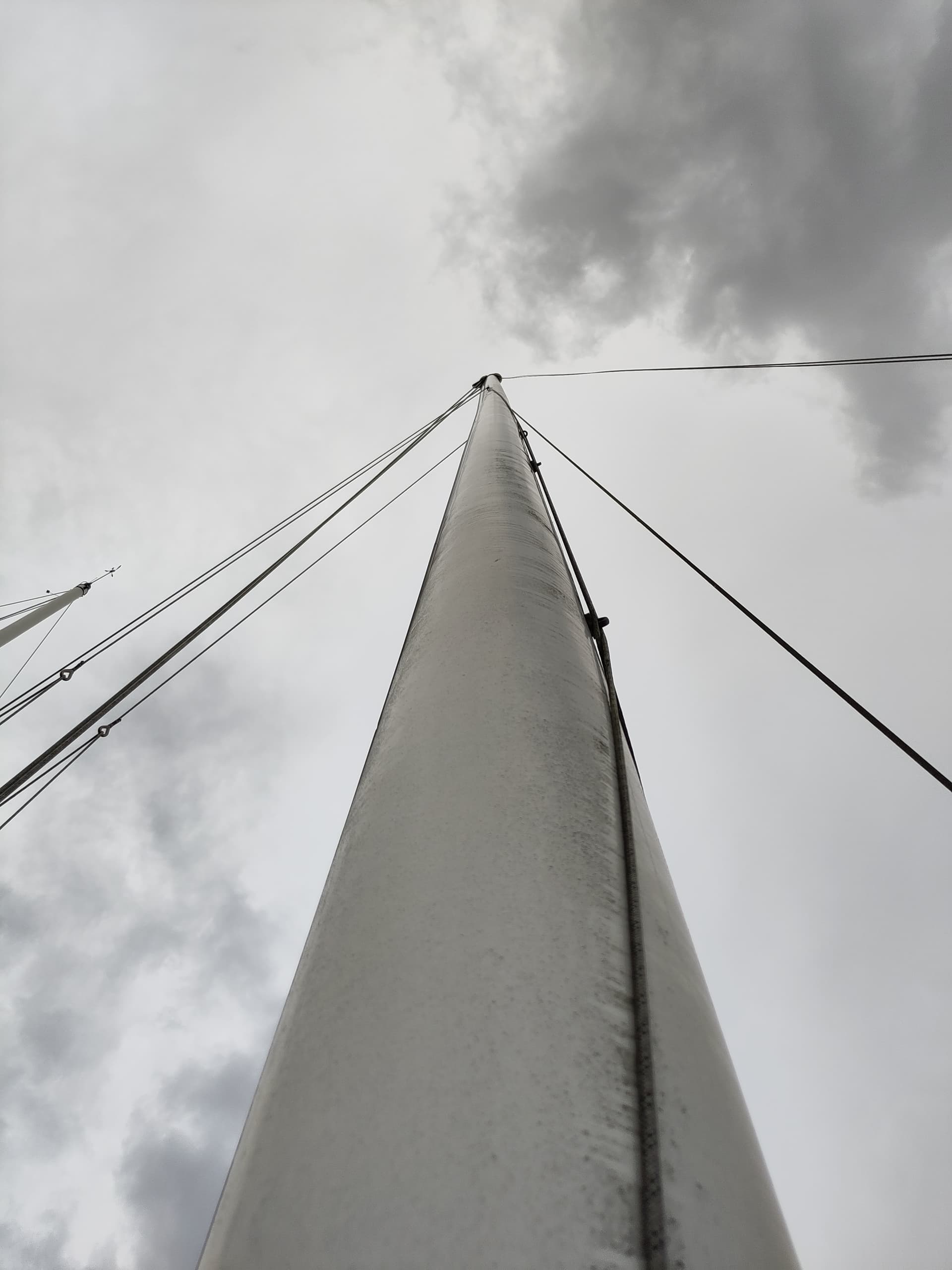
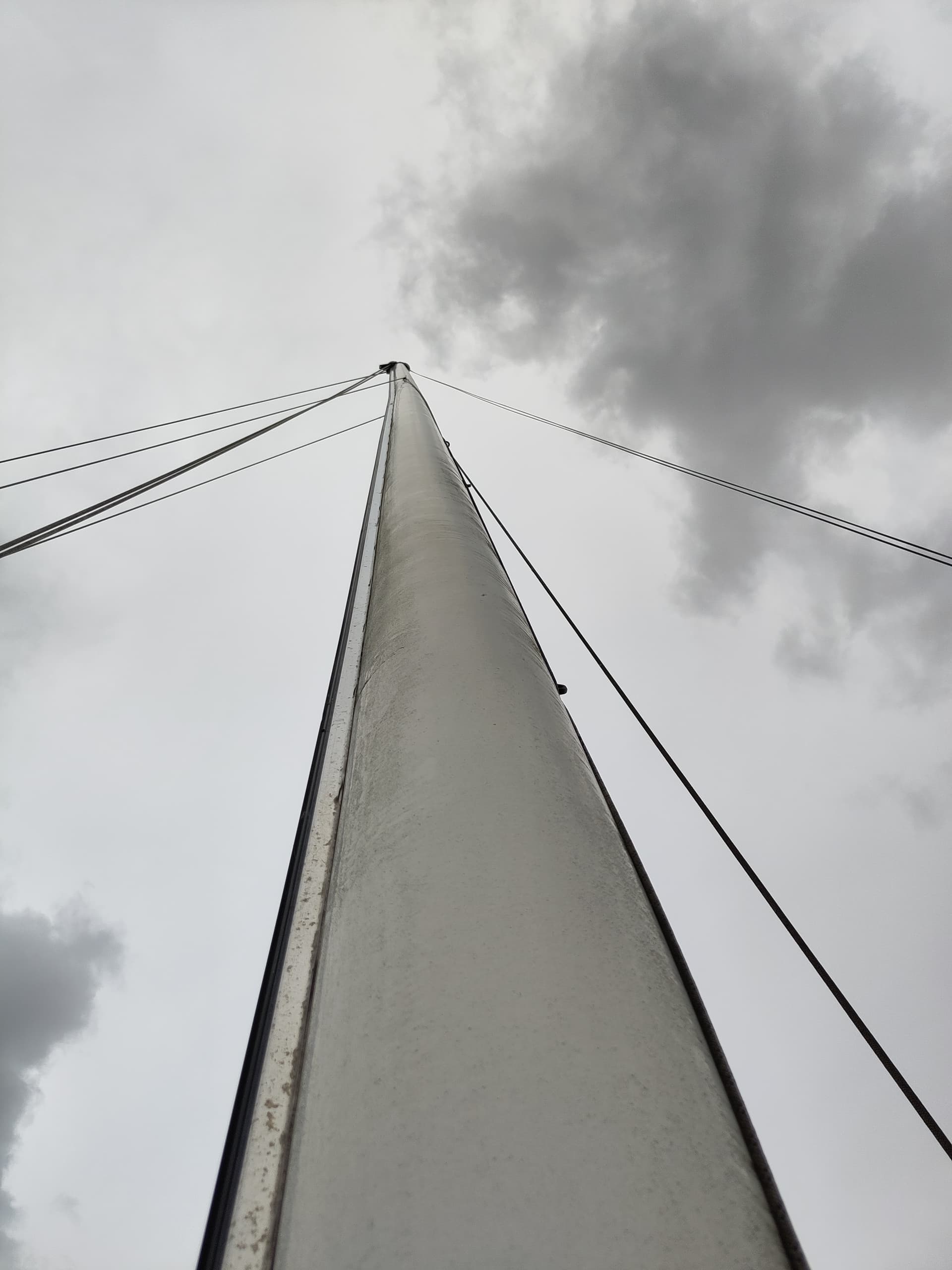
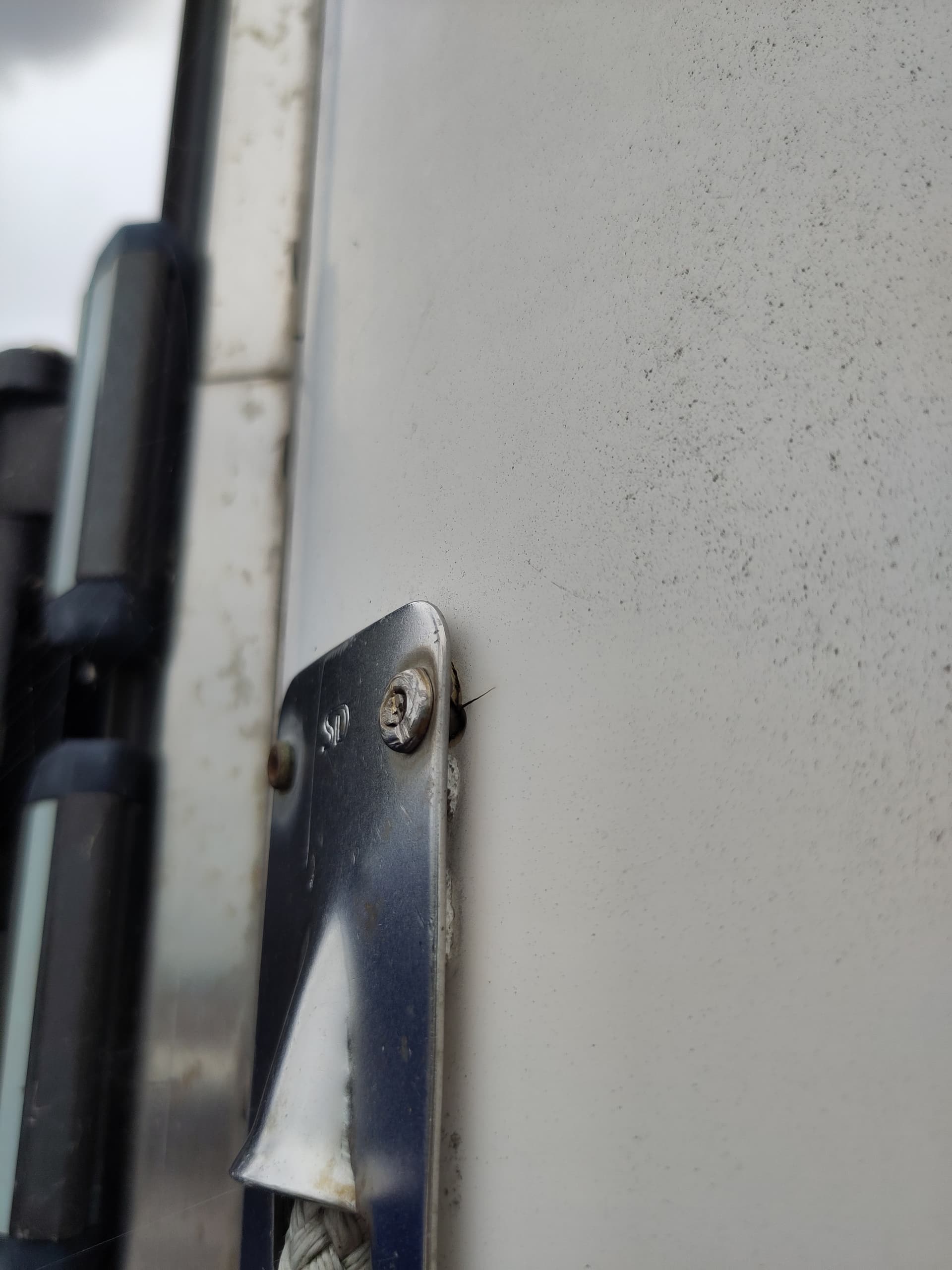
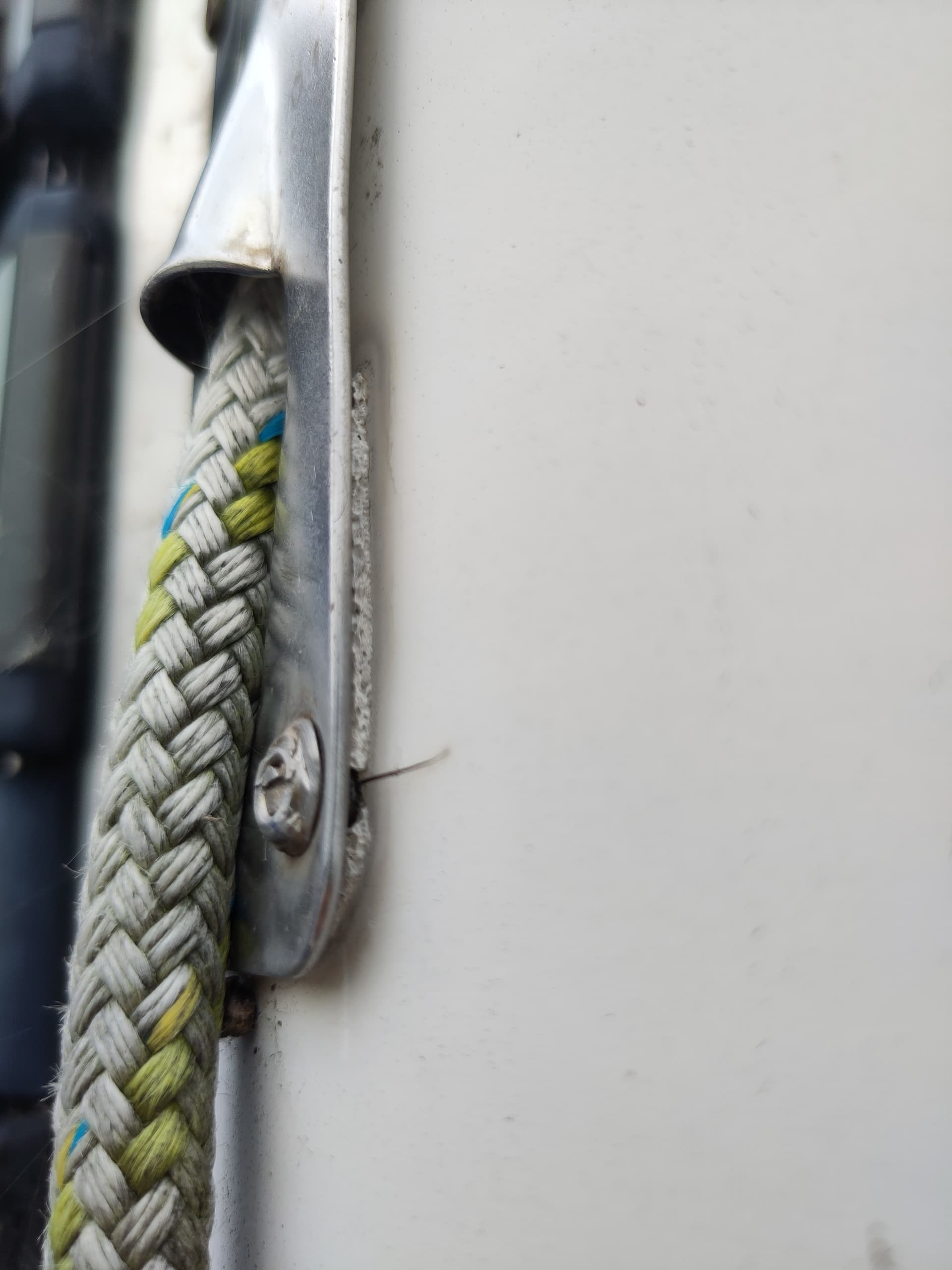
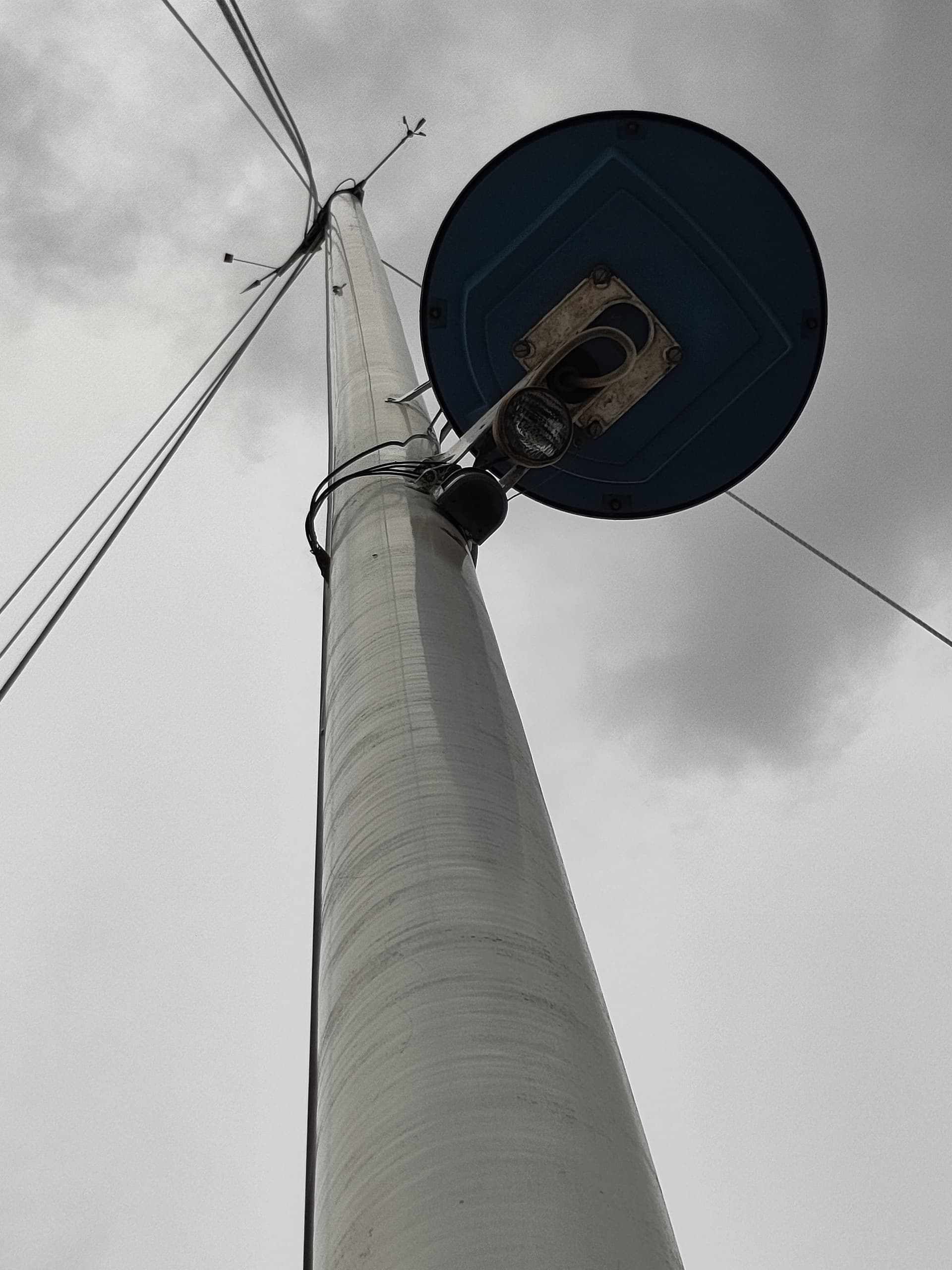
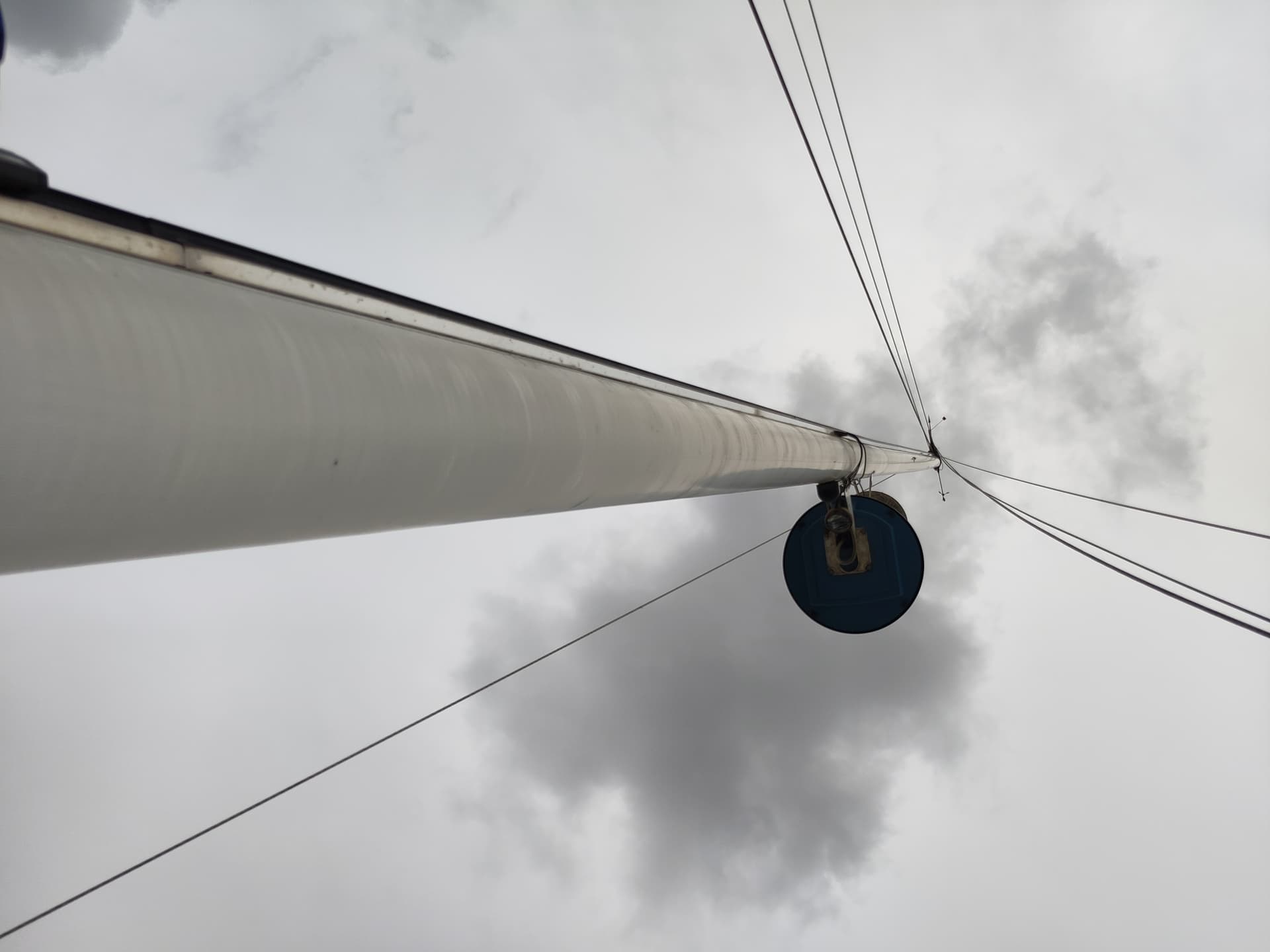
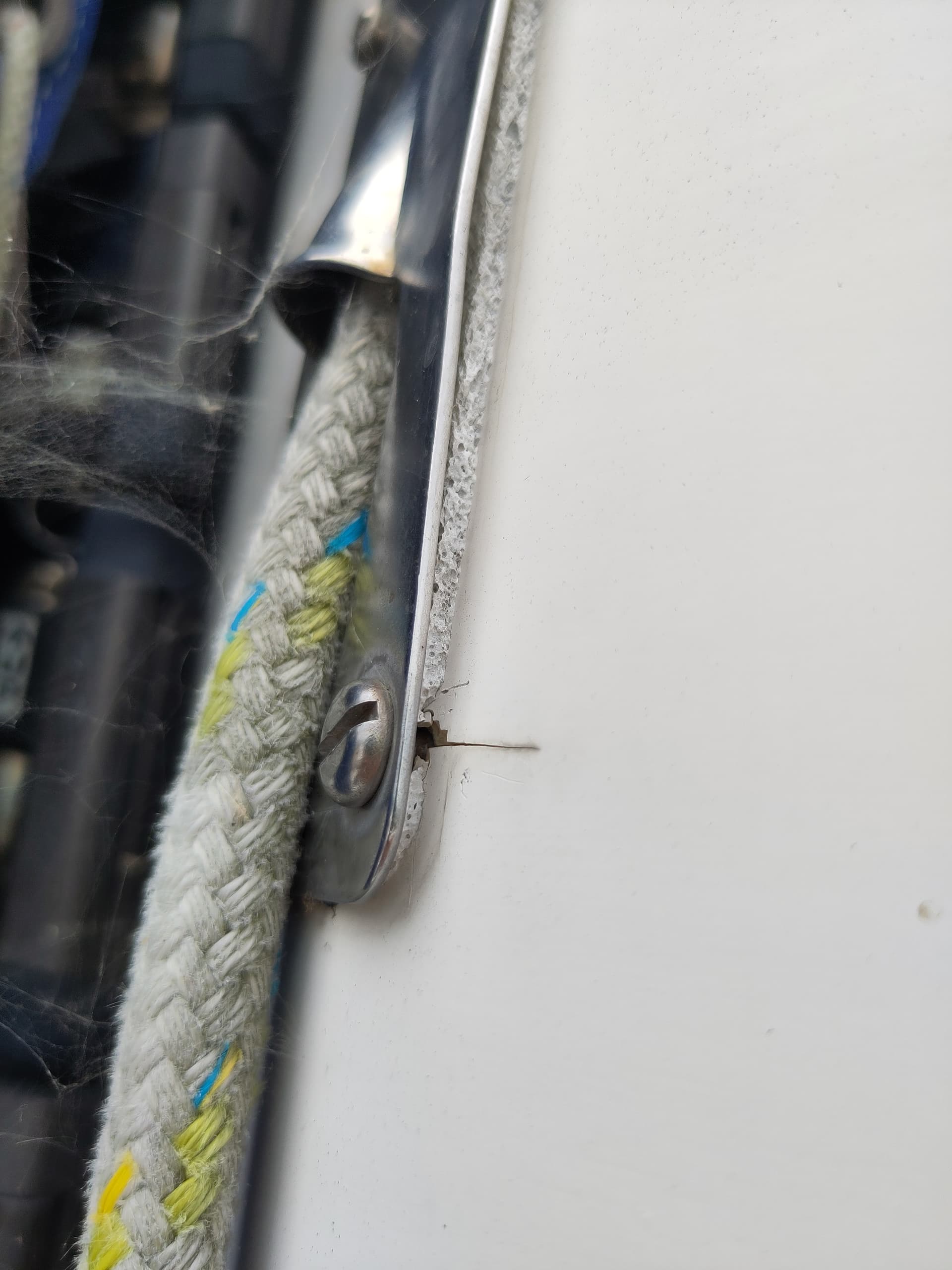
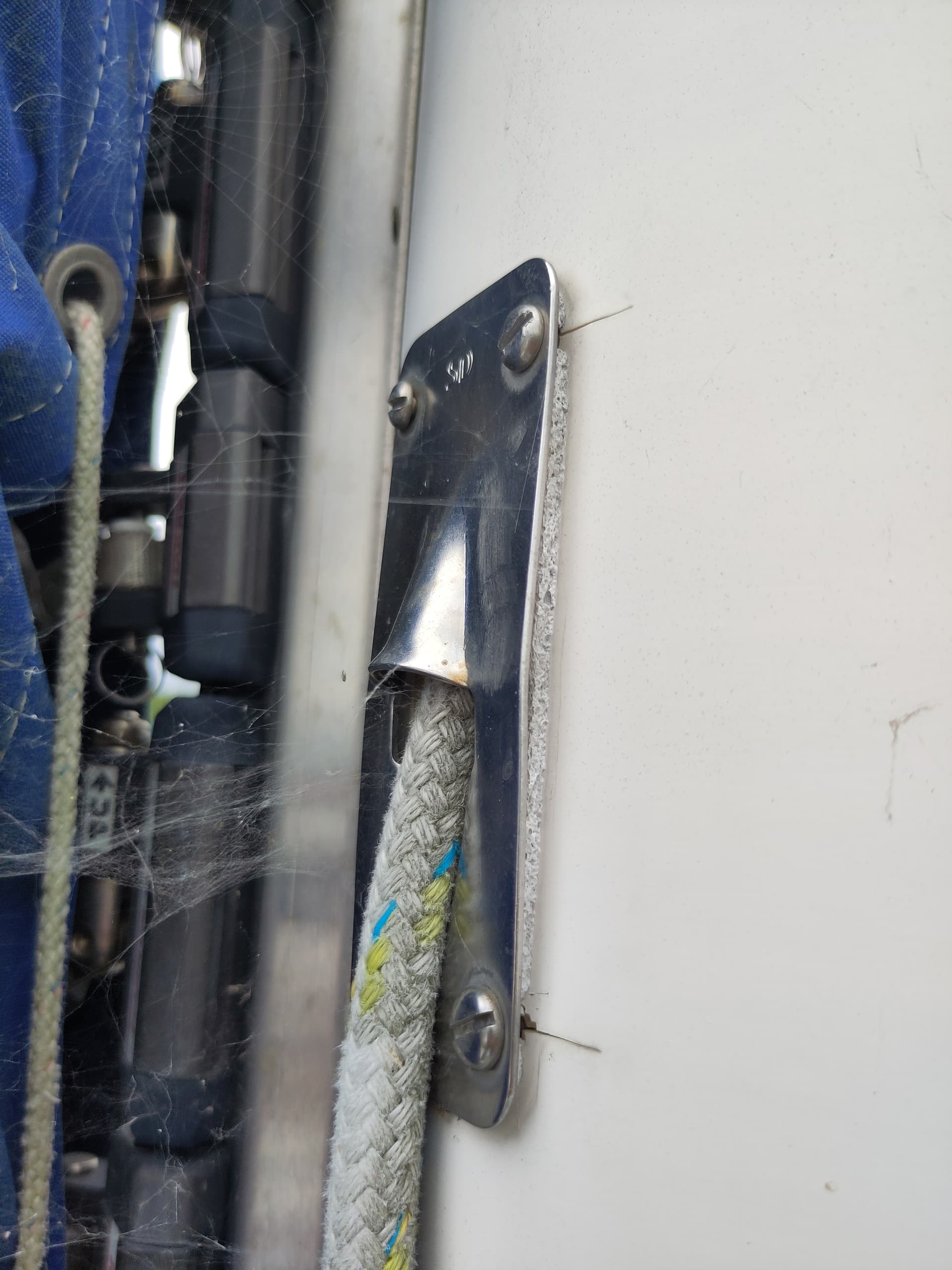
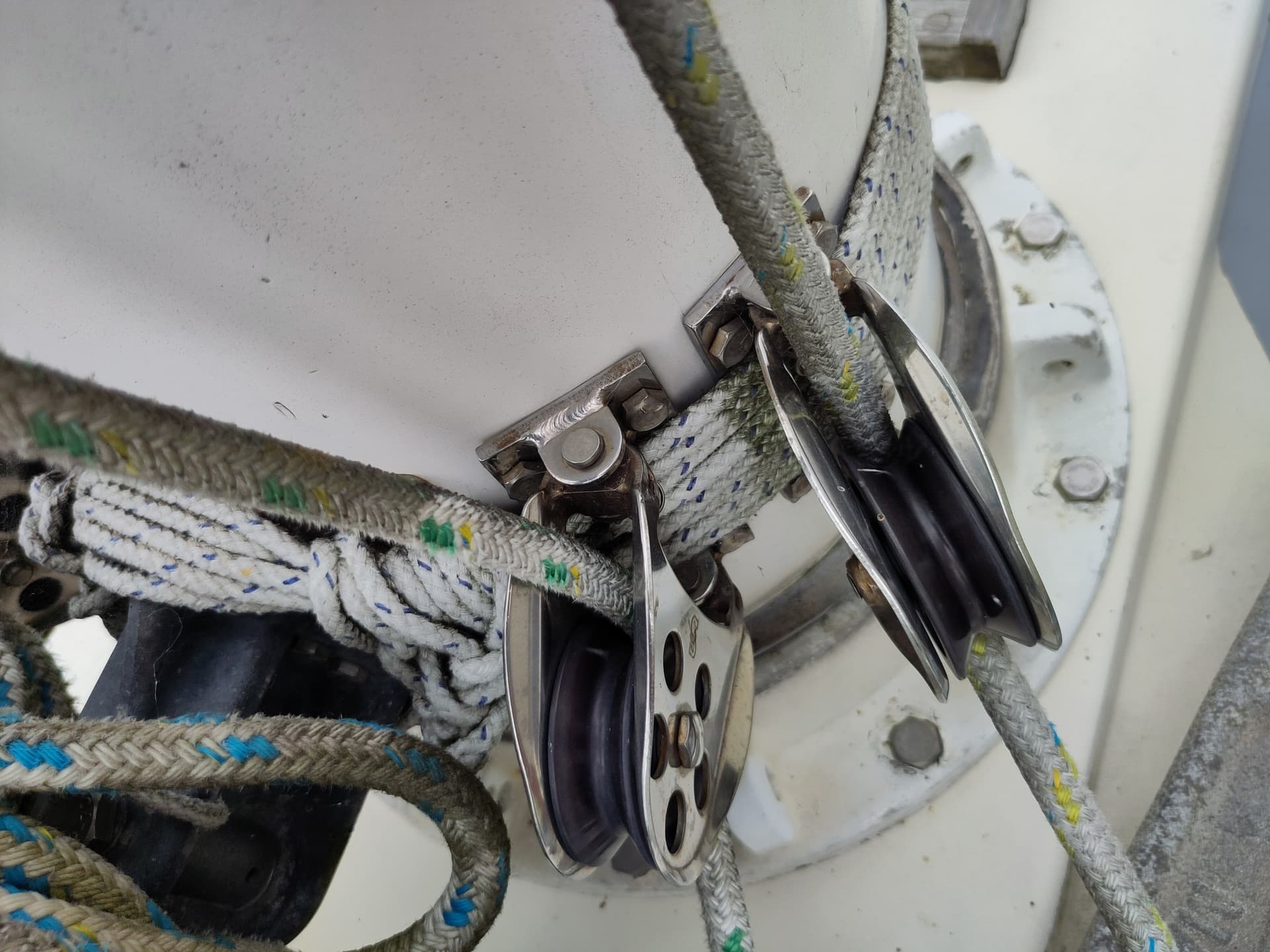
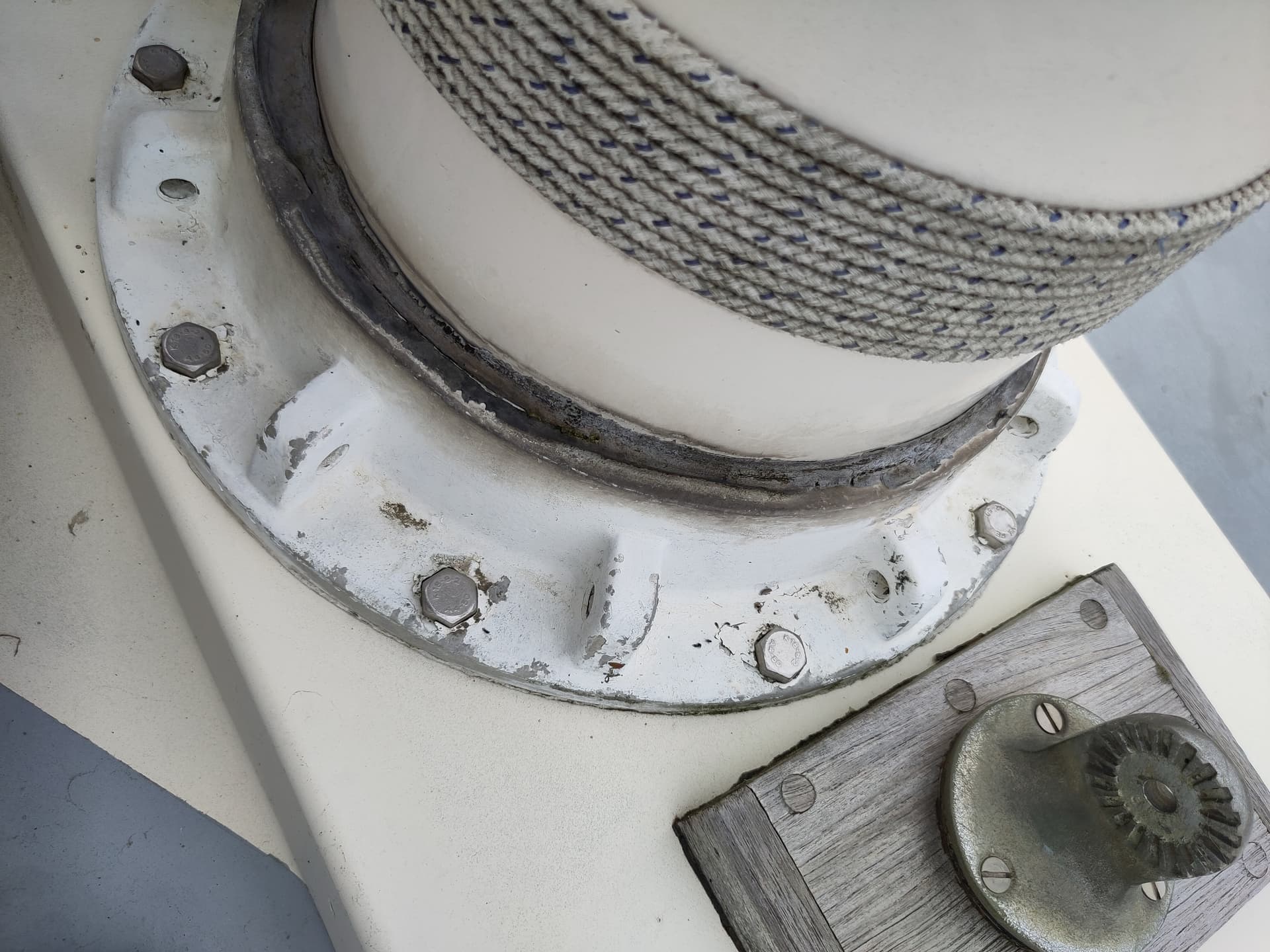
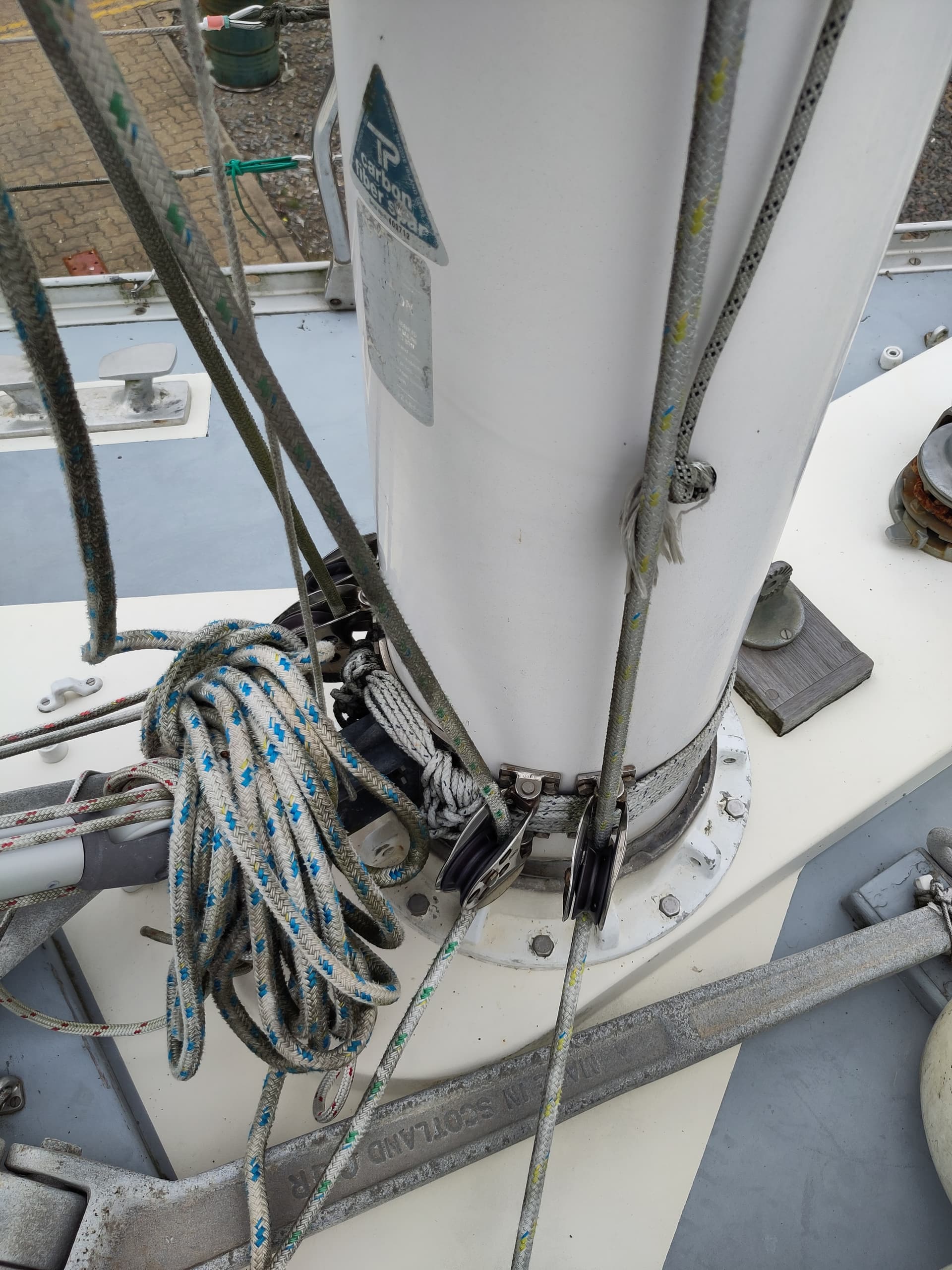
The masts both appear to have a subtle but easily visible kink/bend about 2/3rd the way up. This is most visible in the sailtrack, but the forward edge of the mast appears the same rough shape. There is also a few cracks around mast fittings like halyard exit plates, and all the turning blocks for halyards and reefing lines etc are lashed around the forward mast. Is this normal? These are Tillotson-Pearson Inc. masts and judging by the pattern of dirt and dust on the masts there is some circumferential cracking as one may expect from masts this age, but we need to climb them and have a proper look. So I suspect the usual GRP sock and refinishing procedure for circumferential cracks as recommended by Mr Sponberg will be required.
Obviously we’ll have the whole vessel surveyed, with particular attention given to the masts. And on that, does anyone know a surveyor with specific experience and knowledge of freestanding masts or freedom vessels who can be in Essex UK sometime?
If the mast is over 50’ tall, the “kink” in the mast is probably at a splice. An internal splice tube was used to mate two mast tubes together. If you proceed with my repair procedure for the circumferential cracks, you will be able to expose the kink more fully and be able to make any reinforcment if necessary. With a surveyor’s tap hammer, tap all around the mast either side of the joint about 60 cm above and below the joint. If you hear any hollow sound typical of a delamination, you may have a more serious repair on hand. You might be able to pull the joint apart and glue it back together again. You can overlay the joint with additional layers of carbon fiber cloth and epoxy resin first before applying the carbon fiber socks for the circumferential cracks repair.
All the other cracks in your photos are gelcoat cracks. They will all get corrected with the circumferential cracks repair procedure.
I don’t know of any specific marine surveyor in your area, but most marine surveyors who are good with composite sailboats should be able to handle surveying the mast with normal surveying techniques.
I am located in Alpharetta, Georgia, just north of Atlanta, eastern time zone (UTC/GMT-4). If you or your surveyor need additional advice, I can be reached by phone at +(904) 522-7714. My email address is eric@ericwsponberg.com. I can also be reached at this telephone number through WhatsApp and by Zoom video calls.
The photos are interesting. I was a little surprised to see the halyard and reefing blocks (I believe) bolted directly to the mast as opposed attached to the mast ring (via shackle).
I wonder if this approach is preferable in some way to the mast ring attachment scheme most of us use??
Thanks so much for the advice Eric, very reassuring and very glad to have your opinion on this!
It all makes sense, a lot of work but an exciting undertaking.
Cheers
The lashing would suggest it’s not been so successful, or that at some point trust in the bolts has faltered. Keen to explore other options, the mast ring seems like a better solution.
We havn’t made an offer yet. We need to sell our current boat first, an Oyster Mariner 35. We could just about finance the Freedom without selling ours, but frankly the idea of owning two boats at the same time is just grim. We have a surveyor primed and ready to go to see the Freedom. We may make an offer soon, but rather not before having some convincing interest in the Oyster, which will be on the market very shortly.
Just a quick thought; might the curve in the mast be related to tension in the topping lift from the weight of the boom and the sheet being hardened? My masts bend from this cause when the boat is not being sailed; supporting the end of the boom with a crutch leaves the mast quite straight.
Had the same problem with my masts. Had them taken out and taken apart by Eric Guess in Bristol. He
Joined spliced two pieces with epoxy and cured them in a long autoclave. When the TPi masts were originally made they had to be two pieces as the autoclave was not long enough.
Mine were fixed in the 90s. Also look at the bottom of the masts. They had a design failure where there was no glass wrapped around the bottom. This caused weakness at the step. I lost the mainmast on a trip to Bermuda. Brought it back aboard and repaired it. Redesigned the forward mast step so the mast fits inside the step rather than over it. No problems thereafter.
its that lower vang attachment, its on a stainless fitting, and they are maybe not the best way to build a gooseneck on a carbon mast. while refurbishing the masts, if it was me i would laminate some composite goosenecks and incorporate some thicker laminate or g10 for those schafer blocks, whilest not creating too much of a hard spot in the mast. look at how masts are made for other boats, they usually bond where possible. that vang has a lot of force on it off the wind, and its a long way off centre. honestly not a fan of a rigid vang on a freedom like that, might be kinder to the spar to do something that lines up with the load, and go back to a topping lift.